What Is The Use Of A Wine Bottle Cap?
Nov 10, 2022
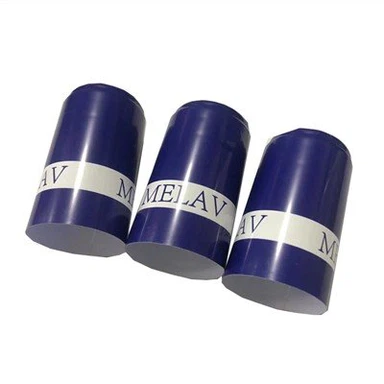
For most wines, the finish of the bottle is covered with a layer of foil. Always cut it before opening the bottle every time.
If you look closely, you can also see that there are two small holes in the cover. These seemingly inconspicuous small parts also have an important role.
In the earliest days, bottled wine was stored in dark and damp cellars, but this also provided an ideal environment for rodents and bugs.
In order to prevent the cork from being eaten by animals, a wine cap is added to the mouth of the bottle. Due to limited technology, wine caps at that time were made of lead. Later, people realized that lead was harmful to the body, and in 1996, the use of lead wine caps was banned.
Subsequently, it was found that tin, a metal with excellent ductility, and has several advantages such as easy processing, corrosion resistance, and non-toxicity, and is a high-quality material for making wine caps.
In addition, once the tin foil hat was damaged, it was difficult to recover, which was a good way to resist counterfeit liquor at that time.
The function of the wine cap is to protect the cork, while the small hole on it has three functions: venting, ventilation and moisturizing.
First of all, when using the equipment to put a wine cap on the wine, the squeezed air can be discharged from the small hole, so as not to form a sealed "small bulge" between the wine cap and the cork, which will affect the overall beauty of the wine bottle.
Secondly, a trace amount of oxygen can enter the bottle through the small holes and cork, which is conducive to the development and maturation of the wine during aging, making the aroma of the wine more complex and the taste fuller.
In addition, the dry environment will shrink the elastic cork, allowing a large amount of air to enter the void, resulting in oxidative deterioration of the wine.
At this time, the small hole in the wine cap allows the cork to come into contact with the moisture in the air, preventing the cork from drying out, so as to achieve a moisturizing effect.
In addition to the common foil wine caps, there is a more traditional method of sealing bottles, that is, wax sealing.
This method can prevent the exchange of gas between the wine and the outside world, greatly reducing the possibility of oxidation of the wine, so it is often used to seal and age wines.
However, with the development of wine bottling and sealing technology, the impact of tin foil and wax sealing on wine is not much different.